Buy Eyeglasses at Lensalter- up to 50% OFF! SHOP NOW



Photochromic vs. Polarized Lenses: Which Is the Right Choice for You?
When you’re shopping for new glasses or sunglasses, have you ever wondered, “What’s really the difference between photochromic lenses and polarized lenses? And which one should I actually pick for my daily life?” You’re definitely not alone—these two types of lenses are among the most talked-about options in eyewear today.
Choosing the right lenses isn’t just about style—it’s about comfort, eye protection, and making sure your vision is always at its best, whether you’re driving on a sunny afternoon, relaxing at the park, or moving in and out of buildings all day. With so many choices on the market, it can feel a bit overwhelming to know where to start.
That’s why we’ve put together this easy-to-read guide. Here, you’ll find a clear, side-by-side look at photochromic lenses (sometimes called “transition lenses”) and polarized lenses, what makes them unique, and the pros and cons of each. If you’ve been asking yourself things like, “Are photochromic lenses good for driving?” or “Do polarized lenses really help with glare?”—you’ll find honest, straightforward answers right here.
Let’s dig in and find out which lenses could make your everyday life a whole lot easier—and your eyes a whole lot happier.
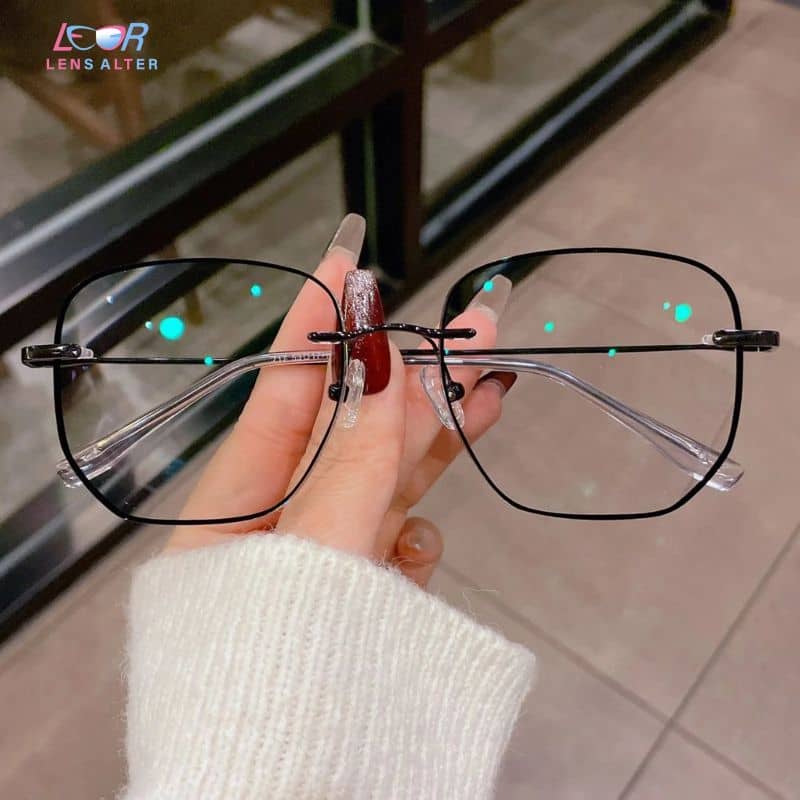
What Are Photochromic Lenses?
Have you ever wished your regular glasses could magically turn into sunglasses when you walk outside? That’s exactly what photochromic lenses do. But what’s really going on with these high-tech lenses, and why are so many people switching to them?
Photochromic lenses—sometimes just called “transition lenses”—are designed to automatically darken when exposed to sunlight, and turn clear again when you go indoors. If you’re someone who’s always forgetting your sunglasses or just hates the hassle of carrying two pairs of glasses, photochromic lenses could feel like a game-changer.
But how do these lenses know when to change? It’s all about special molecules embedded in the lens material. When they’re hit by UV rays from the sun, these molecules react and cause the lens to darken. Once the UV light goes away, the molecules go back to their original state, and the lens becomes clear. Pretty cool, right?
Here are some reasons people love photochromic lenses:
- Ultimate convenience: You only need one pair of glasses for both indoor and outdoor use.
- Full UV protection: Photochromic lenses block out 100% of UVA and UVB rays, so your eyes stay safe.
- No more squinting: They help reduce glare and eye strain in bright sunlight.
Of course, no lens is perfect. You might notice that photochromic lenses don’t always darken inside the car, since most car windshields block UV rays. And if you’re wondering, “Do they change instantly?”—not quite. It usually takes about 30 seconds to a couple of minutes for the lenses to fully adjust.

What Are Polarized Lenses?
Have you ever put on a pair of sunglasses and noticed that everything just looks clearer, with way less glare? If you’ve experienced that, chances are you were wearing polarized lenses. But what actually makes polarized lenses different from regular tinted sunglasses? And why do so many people swear by them for outdoor activities?
Polarized lenses are all about fighting glare. You know that harsh, blinding light you get when the sun reflects off water, a car hood, or a wet road? That’s glare—and it can be pretty uncomfortable, not to mention dangerous if you’re driving. Polarized lenses use a special chemical filter to block this type of intense, horizontal light, making your vision much more comfortable.
So, how do polarized lenses work? Basically, they’re made with a thin layer that only lets certain light waves through. Imagine it like tiny blinds in the lens—only the “good” light gets by, while the “bad” glare gets filtered out. This means you’ll see everything more clearly and with better contrast, especially in really bright or reflective conditions.
Here’s why people choose polarized lenses:
- Amazing glare reduction: Whether you’re driving, boating, or hanging out at the beach, polarized lenses make a huge difference in how comfortable your eyes feel.
- Crisper, sharper vision: Everything looks more detailed, with richer colors and better depth.
- Less eye strain: Say goodbye to tired, squinting eyes after a day in the sun.
But, like anything, there are some trade-offs. You might notice that polarized lenses can make it hard to see screens, like your phone or GPS, especially when you tilt your head. And unlike photochromic lenses, polarized sunglasses don’t change their tint—they’re always dark, which isn’t ideal if you’re moving between indoors and outdoors often.
Still, if you spend a lot of time outdoors or around reflective surfaces, polarized lenses can be a total game-changer for your eyes. They’re especially popular with drivers, anglers, and anyone who just wants a more comfortable view on sunny days.

Photochromic vs. Polarized Lenses: Feature Comparison
Wondering how photochromic lenses and polarized lenses really stack up against each other? You’re definitely not alone—this is one of the most common questions people ask when choosing new glasses or sunglasses. Let’s break down the key differences in a way that’s easy to understand.
First off, do you need something that adapts to changing light, or are you just tired of dealing with glare? Photochromic lenses are all about flexibility. They change automatically based on how bright it is outside, which means you don’t have to swap between two pairs of glasses all day. Super convenient, right? Especially if you’re going in and out of buildings a lot or you just want a one-and-done solution for daily wear.
On the other hand, polarized lenses are a powerhouse when it comes to glare reduction. If you’re often driving, out on the water, or just spending time in really sunny, reflective places, polarized lenses can make a world of difference. They filter out those harsh reflections that can make you squint and struggle to see clearly. The result? Sharper vision and way less eye strain.
But maybe you’re wondering, “Can I wear polarized lenses inside?” That’s a good question! Polarized lenses are always tinted, so they’re not really meant for indoor use—they can actually make everything look a little too dark if you’re not in bright sunlight. Meanwhile, photochromic lenses start out clear indoors and only darken when they sense UV light, so they’re a lot more versatile if you’re constantly on the move.
Here’s a quick rundown to help you decide:
- Do you need one pair for both inside and outside? Go for photochromic lenses.
- Do you spend a lot of time driving, fishing, or at the beach? Polarized lenses will be your best friend.
- Worried about switching between glasses and sunglasses? Photochromic lenses save you the hassle.
- Need maximum glare protection? Polarized lenses can’t be beat for outdoor activities.
It all comes down to your lifestyle and what’s most important for your eyes. If you want the convenience of not thinking about your eyewear, photochromic lenses are tough to beat. But if you’re all about that crisp, glare-free view while out in the sun, polarized lenses are definitely worth considering.
Which Should You Choose?
First, think about your typical day. Are you the kind of person who’s always moving between indoors and outdoors? Maybe you go from your office to outside meetings, run errands, or just love spontaneous walks in the sun. If that sounds familiar, you might find yourself asking, “Is there a lens that can keep up with my routine?” That’s where photochromic lenses really shine. You don’t have to keep swapping between your regular glasses and sunglasses—your lenses do the work for you, automatically adjusting based on the light. Super simple!
But maybe you’re thinking, “What if I’m spending a lot of time driving, on the water, or enjoying the great outdoors?” If you’re dealing with blinding glare bouncing off roads, lakes, or even snow, polarized lenses could make your world so much clearer. Polarized lenses are like a secret weapon for tackling glare. Everything looks sharper, colors pop, and your eyes feel way less tired after hours in bright sunlight.
Still unsure? Ask yourself a few questions:
- Do I want just one pair of glasses for everything, indoors and out?
Go for photochromic lenses—they adapt on the fly. - Do I need the absolute best glare protection, especially for driving or outdoor adventures?
Polarized lenses are the way to go. - Do I often use digital screens outdoors?
Keep in mind polarized lenses sometimes make screens look weird or harder to read. - Is switching glasses annoying to me?
Photochromic lenses make life a lot simpler if you’re tired of juggling different pairs.
At the end of the day, there’s no single “best” choice—just the best lens for you. Think about where you spend most of your time and what bothers your eyes the most. If convenience and versatility top your list, photochromic lenses are a smart pick. If you want crisp, glare-free vision in super bright settings, polarized lenses won’t let you down.
Can You Get Both Features in One Lens?
Maybe you’re reading this and thinking, “Wait, can I actually get the best of both worlds? Is it possible to have lenses that are both photochromic and polarized?” It’s a really good question—and one that a lot of people ask, especially if they want ultimate convenience and top-level eye protection.
Here’s the short answer: Yes, some lenses today combine the magic of photochromic lenses with the glare-busting power of polarized lenses. Sounds pretty great, right? But how does it actually work in real life?
Basically, these advanced lenses start out clear indoors, just like regular photochromic lenses. The moment you step outside, they not only darken in response to UV light, but they also have a built-in polarized filter to cut out glare. That means you get automatic tint adjustment and serious glare reduction all in one pair of glasses.
But you might be wondering—are there any downsides? Well, while these combination lenses are super handy, they can sometimes cost more than standard photochromic or polarized lenses. Not every eyewear brand or prescription offers them, either. Plus, they might take a little longer to fully transition compared to standard photochromic lenses.
Still, if you’re always on the go and don’t want to compromise on comfort or clarity, this type of lens could be a total game-changer. Whether you’re working, driving, or just living an active lifestyle, having both photochromic and polarized technology in one lens means your eyes are protected and you don’t have to think twice about changing glasses.

How Do You Care for Photochromic and Polarized Lenses?
Ever wondered if there’s a special way to take care of your photochromic lenses or polarized lenses? It’s a good question—after all, you want your investment to last and your vision to stay sharp.
The good news is, cleaning these lenses isn’t all that different from taking care of regular glasses. But there are a few extra tips you’ll want to keep in mind:
- Use a microfiber cloth: Always use a soft lens cloth to wipe away fingerprints and smudges. Avoid rough fabrics, which can scratch the surface.
- Gentle cleaning solution: Opt for a lens-safe cleaner—don’t use harsh chemicals or window cleaners. If you’re in a pinch, a little dish soap and lukewarm water can do the trick.
- Don’t leave them in extreme heat: Both photochromic lenses and polarized lenses can be sensitive to heat. Avoid leaving them on your car dashboard or in direct sunlight for long periods when not wearing them.
- Store them in a case: When you’re not using your glasses, put them in a sturdy case. This helps protect those special coatings that make photochromic lenses and polarized lenses so effective.
Ever noticed your lenses aren’t working quite as well as they used to? Sometimes, coatings can wear down over time. If you find your photochromic lenses don’t darken as much or your polarized lenses aren’t blocking glare like they once did, it might be time for a replacement.
Taking just a little extra care will keep your lenses working their best—so your eyes stay comfortable, protected, and happy all year round.
Final Thoughts:
Still trying to figure out whether photochromic lenses or polarized lenses are the right choice for you? It’s completely normal to feel a little torn—both options have unique perks. Maybe you’re asking yourself, “Which lenses will make my daily routine easier? Which ones actually protect my eyes best?”
If you want just one pair of glasses for everything—indoors, outdoors, sunny or cloudy—photochromic lenses might be exactly what you need. They’re perfect for anyone who’s always on the move or tired of switching between glasses and sunglasses.
But if you spend most of your time outdoors, love driving in the sun, or enjoy days by the water, polarized lenses could be your new favorite. Their ability to cut glare and sharpen your vision is hard to beat for outdoor comfort.
Still unsure? Just think about where you spend your time and what bothers your eyes the most. If switching glasses annoys you, or you want true all-day flexibility, go with photochromic lenses. If glare is your biggest problem, you’ll likely love polarized lenses.
Extended Reading