Buy Eyeglasses at Lensalter- up to 50% OFF! SHOP NOW


15 Signs Your Child May Need Glasses
Have you ever caught your child squinting at the TV or holding a book just inches from their face and wondered if it’s time for an eye exam? You’re not alone. Many parents miss the early signs that their child needs glasses, simply because vision problems in kids don’t always show up the way we expect. Children often think the way they see the world is completely normal—even if it’s blurry.
Poor eyesight can affect more than just school grades; it can influence your child’s confidence, attention span, and even how they connect with friends. In fact, pediatric specialists note that up to 25% of school-aged children have undiagnosed vision issues. That’s why recognizing the early signs of poor vision in children can make all the difference.
In this guide, we’ll explore 15 clear signs your child may need glasses, from frequent headaches and squinting to subtle clues like avoiding reading or sitting too close to screens. You’ll also learn when to schedule a children’s eye exam, what questions to ask the optometrist, and how to choose the right glasses for kids that are both comfortable and stylish.
Whether you’re a first-time parent or already have a little one wearing glasses, understanding these signs early ensures your child enjoys clear vision and healthy development. Because catching vision problems early doesn’t just sharpen their sight—it opens up a clearer, brighter world ahead.
1. Complaints of Blurry Vision or Difficulty Seeing
One of the most common signs your child needs glasses is when they start mentioning that things look blurry or hard to read—whether it’s the whiteboard at school or words in their favorite storybook. Kids don’t always know how to describe poor eyesight, so listen for phrases like “It’s fuzzy,” “I can’t see that,” or “The letters are moving.”
Blurry vision often means your child could have myopia (nearsightedness), hyperopia (farsightedness), or astigmatism, all of which can affect how clearly they see both near and far. If your child frequently complains about not being able to see clearly, it’s time to schedule a children’s eye exam with an optometrist. Early detection ensures they get the right prescription glasses before vision problems begin to affect learning or confidence.
Tip: Encourage your child to tell you whenever something looks unclear or distant—it helps catch vision issues in children before they become bigger challenges.
2. Getting Too Close to Books, Screens, or the TV
If you notice your child sitting right in front of the television or holding a tablet just inches from their face, it’s more than just a quirky habit—it could be one of the earliest signs of nearsightedness in children. Kids with myopia often move closer to objects because things far away appear blurry, while close-up details remain clear.
Spending too much time close to screens can also cause eye strain and fatigue, which might make your child rub their eyes or lose focus quickly. Limiting screen time, encouraging outdoor play, and scheduling a kids’ vision test can help prevent further eye discomfort.
If your child consistently needs to get closer to see clearly, don’t wait. A simple eye exam for kids can determine whether they need glasses for nearsightedness and help protect their developing vision early on.
3. Squinting Frequently
If your child often squints when watching TV, reading the board at school, or looking at distant objects, it’s a strong indicator they might need glasses for vision correction. Squinting helps the eyes temporarily focus by reducing the amount of light entering, making blurry images appear slightly sharper.
While it may look harmless, frequent squinting usually points to refractive errors such as nearsightedness, farsightedness, or astigmatism. Left unchecked, these issues can cause headaches and eye strain.
The best next step is to schedule a comprehensive children’s eye exam. An optometrist can determine if your child needs prescription lenses and help prevent further vision strain. Remember, early attention to squinting in kids can save them from learning difficulties and boost their visual confidence.
4. Tilting the Head or Closing One Eye
If your child often tilts their head to one side or closes one eye while reading, watching TV, or trying to focus, it could be a sign of uneven vision between their eyes. This behavior usually means one eye sees more clearly than the other, a condition commonly linked to lazy eye (amblyopia) or strabismus (eye misalignment).
Children do this instinctively to sharpen their focus or reduce double vision. While it might seem like a small habit, consistent head tilting or eye-closing is a strong reason to schedule a pediatric eye exam. Early treatment—often with corrective glasses for kids or vision therapy—can prevent long-term visual imbalance and help your child develop clear, comfortable sight in both eyes.
5. Crossed or Wandering Eyes
If your child’s eyes sometimes drift apart or don’t move together, it may be a sign of strabismus, commonly known as crossed eyes. This condition happens when the eye muscles don’t work in sync, causing one eye to look straight while the other turns inward, outward, upward, or downward.
Occasional drifting might seem harmless, but if it happens often, it can affect depth perception and may lead to lazy eye (amblyopia) over time. Getting a children’s eye exam early can help detect and correct the issue—often with glasses for eye alignment or vision therapy.
Early treatment not only improves eye coordination but also boosts your child’s confidence in school and sports. Recognizing wandering eyes in children early can make a lasting difference in their visual development.
6. Frequent Eye Rubbing
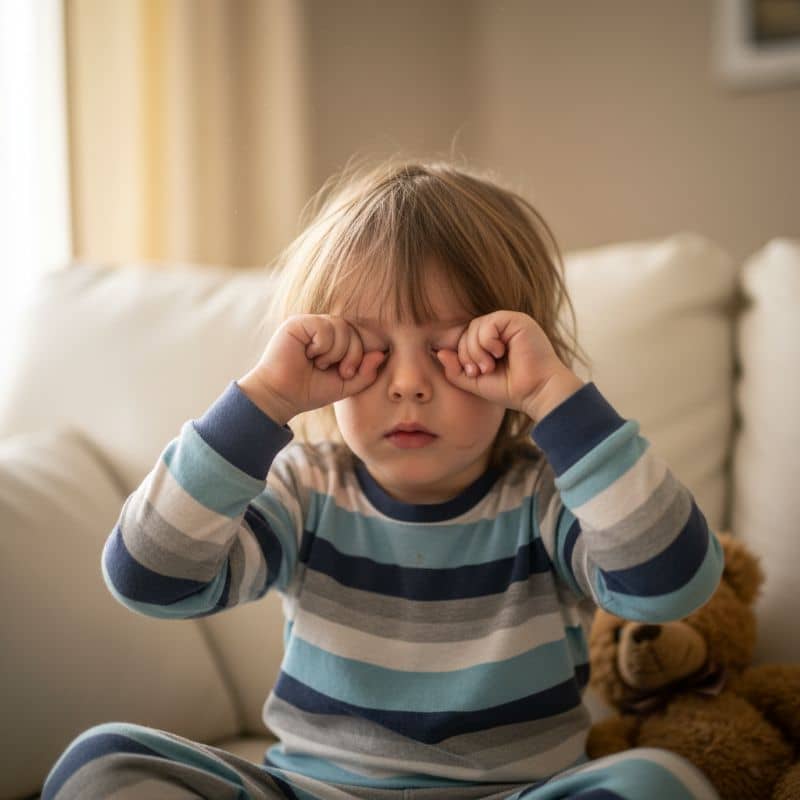
If your child rubs their eyes often—especially after reading, screen time, or homework—it could be more than just tiredness. Constant eye rubbing in children is one of the most common signs of eye strain or poor vision. Kids do this instinctively when their eyes feel fatigued or when they’re struggling to focus clearly.
Frequent rubbing can also point to uncorrected vision problems like astigmatism or farsightedness, which make it harder for the eyes to maintain clear focus. In some cases, it may even lead to irritation or redness.
If you notice this habit regularly, schedule a pediatric eye exam to check for refractive errors. The right glasses for kids can reduce strain and make reading or studying more comfortable—helping your child stay focused and relaxed throughout the day.
7. Complaints of Headaches or Eye Discomfort
When a child frequently complains about headaches—especially after reading, doing homework, or spending time on digital devices—it could be a sign of eye strain caused by uncorrected vision problems. Kids often can’t describe their discomfort precisely, but phrases like “my head hurts” or “my eyes feel tired” are common clues that they might need glasses for kids.
Headaches from vision issues usually appear after long periods of focusing, such as at school or during screen time. This discomfort can result from farsightedness, astigmatism, or poor eye coordination.
If you notice recurring headaches linked to visual activities, book a children’s eye exam as soon as possible. Getting the right eyeglass prescription can ease the strain, reduce headaches, and help your child see—and feel—much better every day.
8. Poor Hand-Eye Coordination or Frequent Clumsiness
If your child often bumps into things, misses when catching a ball, or struggles with tasks that require precision—like coloring within lines or pouring a drink—it might be more than just being playful. These behaviors can signal poor hand-eye coordination caused by vision problems in children.
When kids can’t see clearly, their brain receives mixed signals from the eyes, making it harder to judge distance or movement. This can lead to accidents, frustration during play, or even avoidance of sports.
A simple children’s eye exam can reveal whether your child’s clumsiness is linked to vision. With the right prescription glasses for kids, coordination and confidence often improve quickly, helping them stay active and engaged in both school and playtime.
9. Trouble Paying Attention or Struggling in School
If your child seems easily distracted, avoids homework, or struggles to keep up with lessons, it might not always be a focus issue—it could be a vision problem. Many children with uncorrected eyesight issues have difficulty reading the board, following text, or maintaining focus on close-up work.
When a child can’t see clearly, classroom tasks become frustrating, and concentration naturally drops. Teachers may even mistake poor vision for a learning or behavior problem.
Scheduling a comprehensive eye exam for kids can uncover hidden vision-related learning difficulties. Once your child gets the right glasses for studying, you may notice better attention, improved grades, and renewed confidence in school.
10. Avoiding Reading or Other Close-Up Activities
If your child resists reading, avoids coloring, or loses interest in puzzles and crafts, it could be a subtle sign of farsightedness or eye strain. Kids with uncorrected vision problems often struggle to focus on near tasks, making reading or writing feel uncomfortable and tiring.
Rather than complaining about blurry text, they might simply avoid the activity altogether. This is why noticing a change in your child’s interest in close-up work is so important.
A quick children’s eye exam can determine if your child needs reading glasses or another form of vision correction. Once their eyesight is clear and comfortable, you’ll likely see them re-engage with books, art, and schoolwork more confidently.
11. Sitting or Standing in Unusual Positions to See Clearly
If your child constantly leans forward, tilts their head, or moves closer to objects to get a better view, it may be a clear sign of vision problems. These posture adjustments are their way of trying to find a “sweet spot” where things appear sharper.
Kids who struggle with nearsightedness or astigmatism often shift their body unconsciously to compensate for blurred vision. While it might look like a harmless habit, this constant repositioning can lead to neck strain or eye fatigue over time.
Scheduling a pediatric eye exam can help identify the cause and determine if your child needs glasses for clearer vision. Once their eyesight is corrected, they’ll naturally stop leaning or squinting—making both learning and play more comfortable.
12. Sensitivity to Light or Excessive Blinking
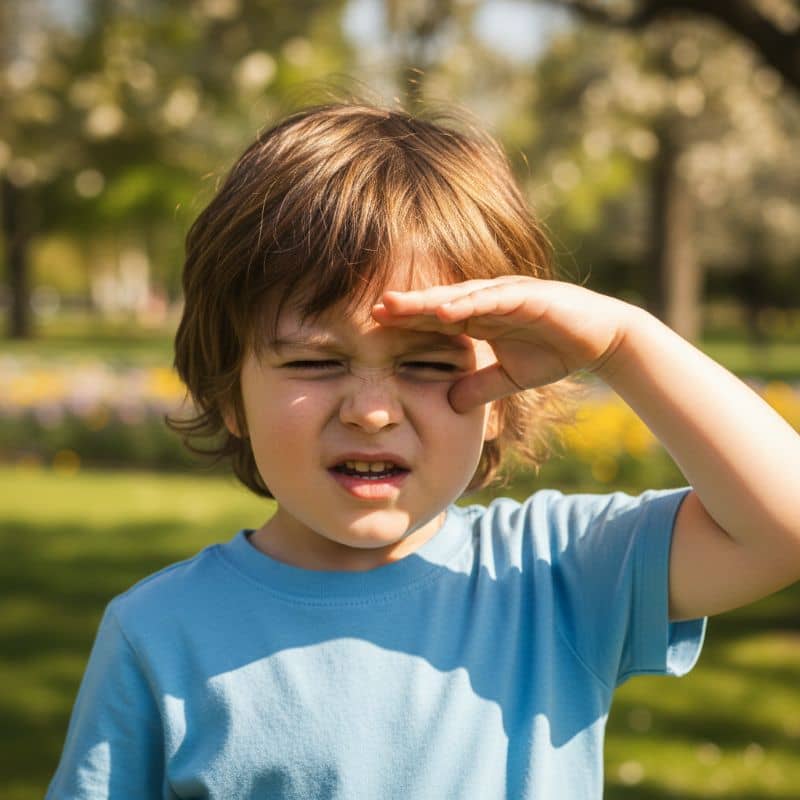
If your child often squints in bright light, covers their eyes outdoors, or blinks excessively while reading or using screens, it could point to light sensitivity or an underlying vision issue. These reactions are the body’s natural way of coping with discomfort caused by glare or visual strain.
Children with uncorrected refractive errors, dry eyes, or eye fatigue may experience this kind of sensitivity more often. While occasional blinking is normal, doing it repeatedly during visual tasks can signal that the eyes are working too hard to stay focused.
A children’s eye exam can identify whether your child’s sensitivity to light is linked to poor vision or another condition. The right kids’ glasses with protective lenses can ease discomfort, reduce glare, and make daily activities far more comfortable.
13. Failing a Vision Screening or School Eye Test
If your child doesn’t pass a routine school vision screening or is referred for further testing, don’t panic—but don’t delay either. These screenings are designed to catch early signs of vision problems in children, such as myopia, hyperopia, or astigmatism.
Even if your child seems to see fine at home, a failed test means their eyes might not be focusing properly at different distances. Ignoring it could lead to headaches, eye strain, or difficulty learning in class.
The best next step is to schedule a comprehensive eye exam for kids with a certified optometrist. Early detection and corrective glasses can make a huge difference, ensuring your child sees clearly, performs better in school, and feels more confident every day.
14. One Eye Looks Different in Photos or Under Light
If you notice that one of your child’s eyes reflects light differently in photos—such as showing a white, yellow, or unusually bright spot instead of the typical red-eye effect—it could indicate an eye alignment or vision issue. In rare cases, this might even point to more serious conditions affecting the retina or eye development.
A noticeable difference between the eyes, whether in photos or real life, can also signal lazy eye (amblyopia) or uneven vision. These problems often go unnoticed by children because one eye compensates for the weaker one.
If you see any asymmetry, schedule a pediatric eye exam right away. Early detection allows for quick treatment with glasses for children or vision therapy, protecting your child’s long-term eye health and visual clarity.
15. Family History of Vision Problems or Glasses
If you or your partner wear glasses, there’s a higher chance your child will need them too. Genetics play a major role in conditions like myopia (nearsightedness), astigmatism, and farsightedness, making regular children’s eye exams essential even if no symptoms appear yet.
Many kids with a family history of vision problems develop similar issues during their school years. Catching them early can prevent learning delays and help your child adapt comfortably with glasses for kids designed for their specific needs.
So, even if your child hasn’t complained about blurry vision, make eye checkups a part of their yearly routine—because healthy vision runs in families when it’s cared for early.
What to Do If You Notice These Signs
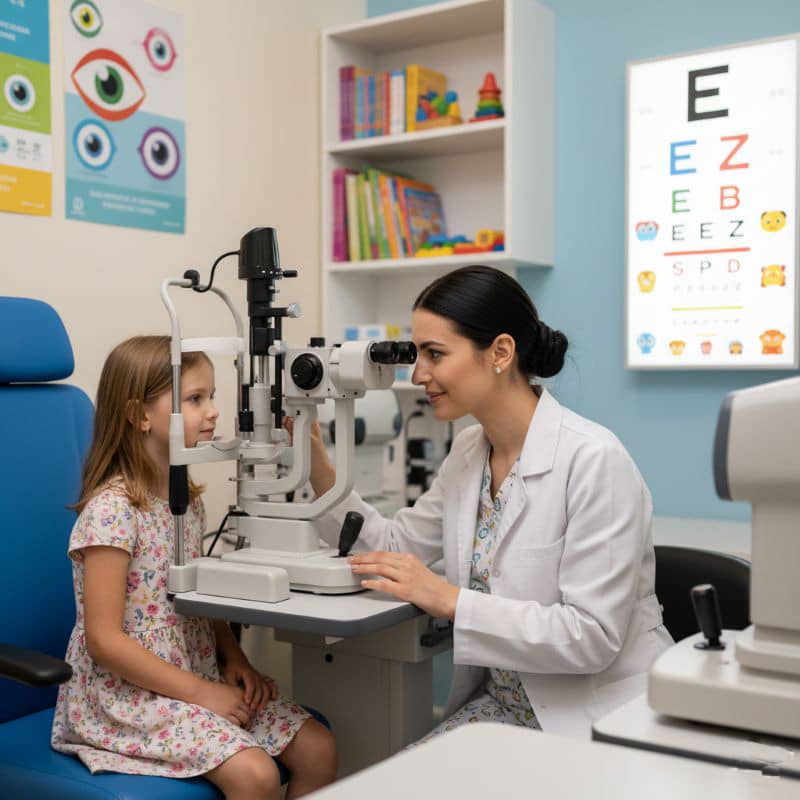
If several of these signs sound familiar, don’t wait—schedule a comprehensive eye exam for your child as soon as possible. Even mild vision issues can affect learning, behavior, and overall confidence if left untreated. An early visit to a qualified pediatric optometrist helps identify whether your child needs prescription glasses or other vision care solutions.
During the exam, the doctor will test your child’s visual acuity, eye alignment, and focusing ability to ensure everything is developing normally. If glasses are needed, make the experience fun by letting your child choose from comfortable and stylish kids’ eyewear—that way, they’ll feel confident wearing them every day.
Remember, early detection is key. Addressing vision problems in children early ensures clearer sight, better learning outcomes, and a happier, more confident child overall.
Why Early Eye Exams Matter for Children
Many parents wait until their child complains about blurry vision before scheduling an eye test—but by then, the issue may already be affecting school performance and daily life. Regular eye exams for children are essential because kids often adapt to poor eyesight without realizing it. They simply assume everyone sees the world the same way.
Routine checkups can detect early vision problems such as myopia, hyperopia, or astigmatism before they worsen. Detecting these conditions early allows for timely treatment with glasses for kids or other vision-correction methods, helping prevent long-term strain and learning challenges.
Experts recommend a comprehensive pediatric eye exam every year or two, even if no symptoms are obvious. By being proactive, you protect your child’s vision health—and ensure they see the world with clarity, comfort, and confidence.
Final Thoughts:
Your child’s vision shapes how they learn, explore, and experience the world. That’s why paying attention to early signs your child needs glasses is so important. From squinting and eye rubbing to avoiding reading or sitting too close to the screen, even small habits can reveal bigger vision problems in children that deserve professional care.
Scheduling a comprehensive children’s eye exam is the best first step. It not only detects common conditions like myopia, farsightedness, and astigmatism, but also ensures your child’s eyes are developing properly. The earlier these issues are corrected, the easier it is for your child to thrive—in school, at play, and in everyday life.
Once your child gets their first pair of glasses, celebrate it as a milestone rather than a challenge. Let them choose frames they love, make it part of their personality, and show them that clear vision is empowering, not limiting.
Healthy eyesight isn’t just about seeing clearly—it’s about helping your child see their full potential. With regular eye checkups for kids, you’re not just protecting their vision; you’re giving them the confidence to see the world in focus and embrace every opportunity that comes their way.
Frequently Asked Questions (FAQs)
Extended Reading: